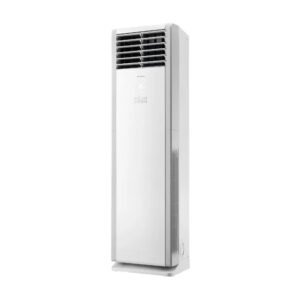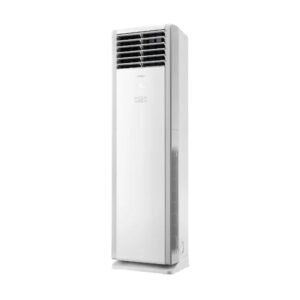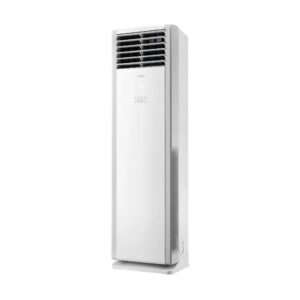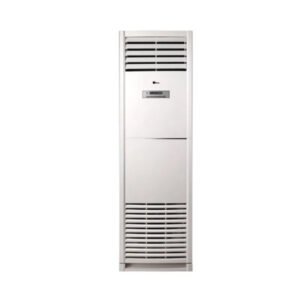

Floor Standing Air Conditioner
Showing all 15 results
-
AIRX Floor Standing Air Conditioner, Floor Standing Air Conditioner
AIRX ARX-100FS/HR1B Floor Standing Air-Conditioner Non Inverter (HEAT & COOL)
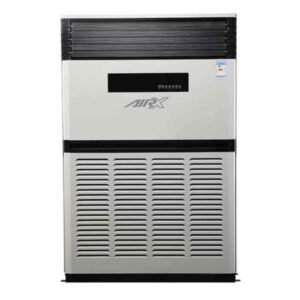 AIRX Floor Standing Air Conditioner, Floor Standing Air Conditioner
AIRX ARX-100FS/HR1B Floor Standing Air-Conditioner Non Inverter (HEAT & COOL)
- Model: ARX-100FSHR1B (Indoor) / ARX-100MCRBN1 (Outdoor)
- Climate Type: T-3
- Power Supply: 380–415V, 3Ph, 50Hz
- Cooling Capacity: 95500 Btu/h
- Cooling Input Power: 10070 W
- Cooling Rated Current: 17.00 A
- EER: 2.78 W/W
- Heating Capacity: 105800 Btu/h
- Heating Input Power: 10130 W
- Heating Rated Current: 19.75 A
- COP: 3.06 W/W
- Max Input Power: 11320 W
- Max Input Current: 22 A
- Compressor Type: Rotary
SKU: n/a -
AIRX Floor Standing Air Conditioner, Floor Standing Air Conditioner
AIRX ARX-24HCFS/HCM1 Floor Standing Air-Conditioner Non Inverter (HEAT & COOL)
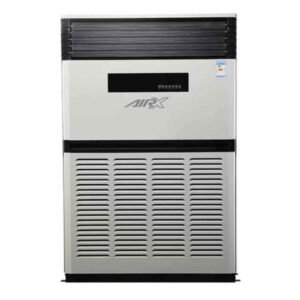 AIRX Floor Standing Air Conditioner, Floor Standing Air Conditioner
AIRX ARX-24HCFS/HCM1 Floor Standing Air-Conditioner Non Inverter (HEAT & COOL)
- Model: ARX-24HCFS/HCM1 (Indoor) / ARX-24HCFS/HCMB (Outdoor)
- Climate Type: T-3
- Power Supply: 220–240V, 1Ph, 50Hz
- Cooling Capacity: 24000 Btu/h
- Cooling Input Power: 2353 W
- Cooling Rated Current: 11.1 A
- EER: 3.06 W/W
- Heating Capacity: 24000 Btu/h
- Heating Input Power: 2317 W
- Heating Rated Current: 10.1 A
- COP: 3.15 W/W
- Max Input Power: 3100 W
- Max Input Current: 14.5 A
- Compressor Type: Rotary
- Indoor Airflow (H/M/L): 1200 / 1000 / 880 m³/h
- Indoor Noise Level (H/M/L): 52 / 48 / 41 dB(A)
- Indoor Fan Motor Input: 196.4 W
SKU: n/a -
AIRX Floor Standing Air Conditioner, Floor Standing Air Conditioner
AIRX ARX-48HCFS/HCM1 Floor Standing Air-Conditioner Non Inverter (HEAT & COOL)
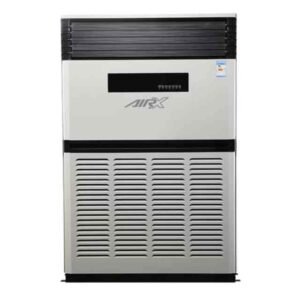 AIRX Floor Standing Air Conditioner, Floor Standing Air Conditioner
AIRX ARX-48HCFS/HCM1 Floor Standing Air-Conditioner Non Inverter (HEAT & COOL)
- Model: ARX-48HCFS/HCM1 (Indoor) / ARX-48HCFS/HCMB (Outdoor)
- Climate Type: T-3
- Power Supply: 380–415V, 3Ph, 50Hz
- Cooling Capacity: 48000 Btu/h
- Cooling Input Power: 4620 W
- Cooling Rated Current: 7.39 A
- EER: 3.05 W/W
- Heating Capacity: 50000 Btu/h
- Heating Input Power: 4650 W
- Heating Rated Current: 7.44 A
- COP: 3.14 W/W
- Max Input Power: 7040 W
- Max Input Current: 16 A
- Compressor Type: Rotary
SKU: n/a -
Air Conditioners, AIRX Air Conditioner, Floor Standing Air Conditioner
Arix Commercial Floor Standing indoor ARX-100FS/HR1B
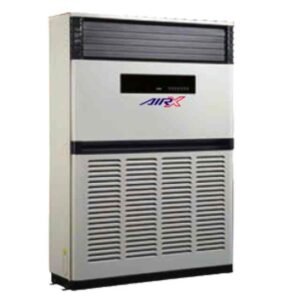 Air Conditioners, AIRX Air Conditioner, Floor Standing Air Conditioner
Arix Commercial Floor Standing indoor ARX-100FS/HR1B
- Cooling / Heating Capacity: 96,000 / 105,600 kW (28 / 31 TR)
- Power Supply: 380–415V~, 50Hz, 3Ph
- Input Power: 10.07 / 10.13 kW |
- Current: 17.00 / 19.75 A
- EER / COP: 2.78 / 2.65 W/W
- Dimensions (Net / Packing): 1200×360×1850 mm / 1270×430×2000 mm
- Weight (Net / Gross): 111 / 131 kg
- Air Flow Volume: 4000 / 3800 / 3600 m³/h
- Noise Level: 56 dB(A)
SKU: n/a -
Air Conditioners, AIRX Air Conditioner, Floor Standing Air Conditioner
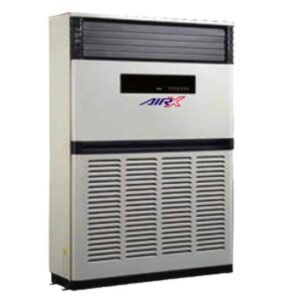
Arix Commercial Floor Standing indoor ARX-80FS/HR1B
 Air Conditioners, AIRX Air Conditioner, Floor Standing Air Conditioner
Arix Commercial Floor Standing indoor ARX-80FS/HR1B
- ARX-80FS/HR1B
- Cooling / Heating Capacity: 76,000 / 83,600 kW (22 / 24.5 TR)
- Power Supply: 380–415V~, 50Hz, 3Ph
- Input Power: 7.86 / 8.01 kW | Current: 13.27 / 15.50 A
- EER / COP: 2.80 / 3.05 W/W
- Dimensions (Net / Packing): 1200×360×1850 mm / 1270×430×2000 mm
- Weight (Net / Gross): 110 / 130 kg
- Air Flow Volume: 4000 / 3800 / 3600 m³/h
- Noise Level: 56 dB(A)
SKU: n/a - ARX-80FS/HR1B
-
Air Conditioners, Floor Standing Air Conditioner
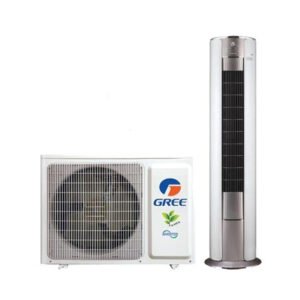
Gree GF-24ISH 2 Ton 24000 BTU Floor Standing Air Conditioner
 Air Conditioners, Floor Standing Air Conditioner
Gree GF-24ISH 2 Ton 24000 BTU Floor Standing Air Conditioner
Elegant Champagne Finish
Vertical Cross Flow Fan with Even Air Supply
Wi-Fi Enabled
Sensitive Touch Buttons
Even Thermal Field with Heating from Bottom to Top
State-of-the-Art Chip Module
Generation-10 Inverter
Ultra Low Frequency Technology
Intelligent Defrosting Monitor
Wide Angle Air Swing
Fireproof Design
U Shape Evaporator
Artistic Column Appearance
Diamond Style Base
High Density Antibacterial Filter
SKU: n/a -
Air Conditioners, Floor Standing Air Conditioner
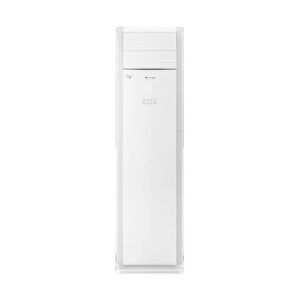
GREE GF-24TF Floor standing Cabinet AC 2 Ton (Cool Only)
 Air Conditioners, Floor Standing Air Conditioner
GREE GF-24TF Floor standing Cabinet AC 2 Ton (Cool Only)
- Powerful Compressor
- Six Health Filters
- Magic Mirror
- Low Voltage Start up
- Overlong/3D Air Flow
- Multi Fan Speeds
- Comfortable Sleeping Mode
- Memory Function
- Automatic Drying Operation
- Auto Clean & Intelligent Defrosting
- Self Diagnosis
- On Off Timer
- Big Outdoor Unit with High Efficiency
- U-Type Inner Groove Copper Pipe
- Efficient & Quiet
- Double Fan
CAPACITY
BTUs Capacity
24000 BTUs
TECHNICAL
Compressor
7034
WARRANTY
Compressor
10 Years
SKU: n/a -
Air Conditioners, Floor Standing Air Conditioner
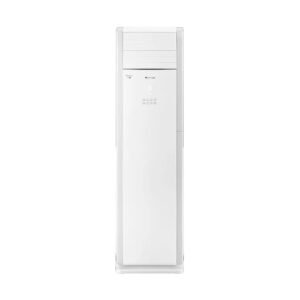
GREE GF-48TF Floor standing Cabinet AC 4 Ton (Cool Only)
 Air Conditioners, Floor Standing Air Conditioner
GREE GF-48TF Floor standing Cabinet AC 4 Ton (Cool Only)
- Powerful Compressor
- Six Health Filters
- Magic Mirror
- Low Voltage Start up
- Overlong/3D Air Flow
- Multi Fan Speeds
- Comfortable Sleeping Mode
- Memory Function
- Automatic Drying Operation
- Auto Clean & Intelligent Defrosting
- Self Diagnosis
- On Off Timer
- Big Outdoor Unit with High Efficiency
- U-Type Inner Groove Copper Pipe
- Efficient & Quiet
- Double Fan
SKU: n/a -
Air Conditioners, Floor Standing Air Conditioner, Midea Air Conditioners
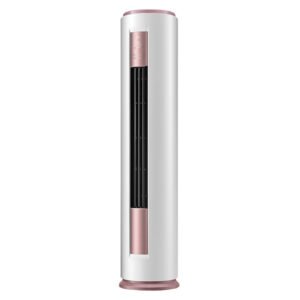
Midea 2 Ton Round Inverter Floor Standing AC MFYA400-24ARFN1
 Air Conditioners, Floor Standing Air Conditioner, Midea Air Conditioners
Midea 2 Ton Round Inverter Floor Standing AC MFYA400-24ARFN1
- For Order Call / WhatsApp @ 0332-9944444
- Golden Fins Heat Exchanger Coating
- Еnеrgу Сlаѕѕ: A++/А+
- Refrigerant R410a
- Auto Restart
- Self-Diagnosis
- Неаtіng ЅСОР: 4.00
- Сооlіng ЅЕЕR: 6.10
- LCD Display
- Sleep Mode
SKU: n/a -
Air Conditioners, Floor Standing Air Conditioner, Midea Air Conditioners
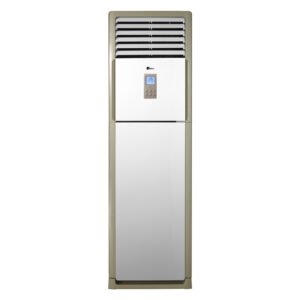
Midea MFM-48HRFN Floor Standing Air Conditioner
 Air Conditioners, Floor Standing Air Conditioner, Midea Air Conditioners
Midea MFM-48HRFN Floor Standing Air Conditioner
- Capacity: 48000 btu
- Compressor type: Inverter
- Cooling consumption: 13600 W/h
- Cooling energy class: Class A++
- White color
- Refrigerant: R-410A
- Filter: Anti-bacterial washable
- Functions: Autorestart
SKU: n/a -
Air Conditioners, Floor Standing Air Conditioner, PEL Floor Standing Air Conditioner
PEL Floor Standing Air Conditioner PFSAC-24K Bold+ INV (h&C)
 Air Conditioners, Floor Standing Air Conditioner, PEL Floor Standing Air Conditioner
PEL Floor Standing Air Conditioner PFSAC-24K Bold+ INV (h&C)
- High-Performance Compressor
- Sleek And Stylish
- Durable
- Powerful through
- Low Energy Consumption
- 2.0 Ton Cooling Capacity
- Heat and Cool
- Conventional Technology
- High-Performance Compressor
- Sleek And Stylish
- Durable
- Powerful through
- Low Energy Consumption
- Heat and Cool
- Inverter
- High Quality Compressor
- Full Cooling Watts
- Energy Efficient
- Bold Series
SKU: n/a