

Midea Water Dispenser
Showing all 2 results
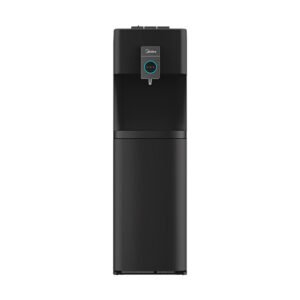
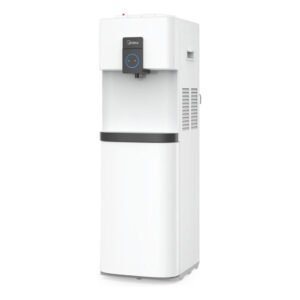
Showing all 2 results
Shop Midea Water Dispensers
Looking for a Midea water dispenser for home or office in Pakistan? At Super Electrocity (Saddar, Karachi), we group Midea models by load type, temperature options, and useful features so you can compare quickly without guessing specs you don’t need.
Everything here focuses on everyday use in Pakistan—19-liter bottle compatibility, simple maintenance, and reliable cooling/heating performance for family kitchens, staff rooms, and waiting areas.
Browse by Load Type — Top Load vs Bottom Load
Top-load Midea dispensers are the classic choice: easy to spot the water level, simple to set up, and usually the most budget-friendly. They work well where the dispenser can stay against a wall and bottle lifting isn’t an issue.
Bottom-load models hide the bottle in a lower cabinet for a cleaner look and easier refills—great for seniors or busy offices. If you prefer tidy countertops or need frequent bottle changes, bottom-load is the convenient pick.
Browse by Temperature — Hot & Cold, Normal & Cold, or 3-Tap
Hot & cold Midea dispensers cover tea/coffee and chilled water all year—ideal for homes and offices. Normal & cold options suit those who don’t need hot water but still want reliable cooling.
Many 3-tap dispensers add a room-temperature option, helpful for mixing baby formula safely (use boiled water as directed) or for those who prefer not-too-cold water. For families with kids, pick models with a child safety lock on the hot tap.
Browse by Features — Fridge Cabinet, Energy Saving, Stainless Tank
Feature add-ons help tailor your Midea water dispenser to your space. A fridge cabinet keeps snacks or small beverages cold in convenience areas like dorms or shop counters. Energy-saving modes help manage bills during long Karachi summers and frequent use.
A stainless-steel tank can support easier cleaning and durability, while LED indicators, removable drip trays, and bottle spike guides make daily use simpler. Shortlist features that solve your real-world pain points, not just what sounds fancy.
Prices in Pakistan
Typical Price Factors
The Midea water dispenser price in Pakistan varies by load type, build quality, and convenience features. Bottom-load designs usually cost more than top-load because of the hidden-bottle mechanism and extra hardware. Tanks made with stainless steel often command a premium for durability and easier cleaning, while 3-tap (hot/cold/room) models are typically priced above 2-tap units.
Added conveniences—like a fridge cabinet, child safety lock, LED indicators, or energy-saving modes—also influence the final price. Keep in mind that real-world pricing reflects the total package: design, cooling/heating performance, after-sales support, and availability of genuine parts.
Availability & Currency Fluctuation
Prices aren’t static. They shift with stock availability, seasonal demand (summer peaks), and currency fluctuations that impact imported components. During high-demand months, popular SKUs can sell out, and remaining variants with extra features may set the short-term “visible” price level.
Promotions, clearance cycles, and updated model batches can create temporary price gaps between seemingly similar dispensers. If you’re comparing across stores, check whether warranty, official import status, and included accessories are like-for-like to avoid misleading comparisons.
How to Check Today’s Price
For the most accurate figure, view the live listings on this category page and note the model code, load type (top/bottom), and tap configuration. That ensures you’re seeing the exact unit and not a similar—but differently specced—dispenser.
If you’re deciding between two variants, call or WhatsApp our team to confirm current price, stock, and delivery options, and ask about any bundle deals (e.g., with a 19-liter bottle or basic setup). Bring or request a tax invoice at purchase—this is essential for warranty claims and service support.
Choosing the Right Midea Dispenser for Home vs Office
Capacity & Bottle Compatibility
Most Midea water dispensers in Pakistan are designed for the common 19-liter bottle, which keeps refills predictable and widely available in cities and towns. For homes with 3–6 people, a single 19-liter rotation usually balances cost and convenience; offices with higher footfall should plan for two or more bottles in standby. If you expect frequent guests or have a clinic/shop, consider a model that’s easy to access from multiple sides to reduce crowding.
Check the bottle spike and alignment guides—these small touches make top-up cleaner and faster. If staff struggle to lift bottles, a bottom-load Midea unit reduces effort and spillage. Where storage is tight, measure overhead clearance for top-load flips and door swing for bottom-load cabinets before purchase.
Power & Placement
Midea dispensers run on 220–240V; place them on a stable, level surface with ventilation space at the back for efficient cooling. In Karachi, Lahore, and other major cities with intermittent load-shedding, allow the unit to rest a few minutes after power returns before heavy use. If voltage fluctuation is common at your location, pairing with a suitable voltage stabilizer can support consistent performance.
Avoid direct sunlight and tight corners—the compressor works harder in heat, which can increase electricity use. Keep a short, direct power connection and avoid daisy-chained extensions. For shared spaces, choose a spot that keeps the hot tap away from small children, or ensure the unit has a child safety lock.
Hygiene & Maintenance
Plan a quick weekly wipe-down of taps, drip tray, and external surfaces. When installing a new bottle, sanitize hands and the bottle neck; dust caps should be clean and intact. If you notice any new-plastic smell on first use, flush the tank per manual instructions and discard the first cycle of hot and cold water.
Schedule a deeper clean every few months, following the manual for safe descaling and rinsing. Avoid harsh abrasives that can damage finishes or seals. If taste/odor persists after proper flushing, switch water brands or have the supplier check bottle hygiene.
Types & Uses
Bottom-Load vs Top-Load
Bottom-load Midea dispensers look tidy, hide the bottle, and make refills easier—ideal for senior users, clinics, and offices with frequent changes. They typically cost more but pay off in convenience and safer handling. Top-load models are budget-friendly and straightforward, great for apartments and staff pantries where lifting a bottle is manageable.
If your kitchen has upper cabinets, verify top-load clearance for flipping the bottle. For lobby or reception use, bottom-load reduces visual clutter and keeps the area presentable. Both types suit 19-liter bottles; choose based on ergonomics and the look you want.
2-Tap vs 3-Tap
A 2-tap hot & cold Midea dispenser covers the essentials: tea/coffee prep and chilled drinking water. If your family prefers room-temperature water for medication or mixing, a 3-tap adds flexibility without mixing hot or cold streams. Households with kids should consider a hot-tap safety lock regardless of tap count.
Offices often benefit from 3-tap units to serve varied preferences quickly. For gyms or clinics where cold demand peaks, prioritize fast-cool recovery and accessible cup placement. If hot water is rarely used, normal & cold variants save a bit of energy and simplify safety concerns.
With Fridge Cabinet
Midea units with a fridge cabinet create a mini-refreshment hub—useful in dorms, salons, and small shops to keep tetra packs or snacks cool. In tight apartments, it can replace a separate mini-fridge and reduce clutter. Do note that cabinet cooling capacity is modest; it’s for convenience, not bulk storage.
For larger offices, the cabinet is handy for tea bags, sugar, or disposable cups right where the dispenser sits. Verify interior dimensions if you plan to store specific items. If you don’t need the cabinet, a standard model may be the more budget-efficient choice.
Warranty, Service & Spare Parts
Warranty Coverage & Claim Process
Midea water dispensers typically include manufacturer-backed warranty terms. Coverage and duration vary by model and batch; always keep your original tax invoice and packaging where possible. Cosmetic damage, misuse, or unauthorised modifications are generally excluded. For clarity on the current terms, refer to our Warranty Policy or call our team before purchase.
To claim warranty, share your invoice, model code, and a brief fault description with our support. We’ll guide you on the nearest authorised service channel and the documents required. If inspection is needed, we’ll explain the process and any courier/visit logistics ahead of time.
Installation & First‑Use Checklist
Unbox carefully and place the dispenser on a level surface with rear ventilation. After placing the bottle, flush both hot and cold taps as directed in the manual. Wait the recommended settling time before switching on power so the refrigerant and water pathways stabilise.
Check for a working child safety lock (if present) and confirm there are no leaks around the bottle spike or taps. Keep the unit out of direct sun and away from heat sources. Use a suitable stabiliser if your location experiences voltage fluctuation.
Repairs & Spare Parts
For out‑of‑warranty issues (e.g., taps, thermostats, switches), we can advise on next steps and availability of genuine parts. Many minor parts are replaceable; however, diagnosis should be handled by a qualified technician to avoid secondary damage.
If your dispenser shows unusual noise, poor cooling/heating, or persistent leaks after cleaning, stop use and contact support for an assessment. Avoid DIY electrical repairs; it may void warranty and create safety risks.
FAQ
Does it work with 19‑liter bottles?
Yes—most Midea models are designed around the common 19‑liter bottle used across Pakistan. Check the spike and cap fit for your preferred supplier. If you buy bottles from multiple vendors, keep one spare to avoid downtime.
For very high usage (offices/clinics), consider arranging a regular bottle schedule. Bottom‑load units reduce lifting strain when replacements are frequent.
Hot water safety & child lock?
Hot taps can dispense near‑boiling water. Use the child lock where available and position the dispenser so small children can’t operate it unsupervised.
In shared spaces, add a simple safety label near the hot tap. If you rarely need hot water, a normal & cold model reduces risk and saves a bit of energy.
Can I use RO‑filtered water?
Yes, RO or bottled drinking water is commonly used. Follow the RO manufacturer’s maintenance schedule so taste and mineral balance remain consistent.
Always flush a new dispenser or after long storage. If taste or odour persists despite flushing, change water source and inspect bottle hygiene.
What to do during load‑shedding?
Let the unit stabilise after power returns before drawing large volumes of hot or cold water. Avoid rapidly cycling the power switch.
If voltage is unstable in your area, a compatible stabiliser can help protect components. Keep the dispenser in a ventilated, shaded spot to ease compressor load in hot weather.
Any smell or taste from a new dispenser?
A mild manufacturing odour can occur initially. Flush hot and cold tanks as directed and discard the first cycle of water before use.
If the issue persists after proper flushing and a few days of use, contact support for guidance and consider switching bottled water brands.