

Bedroom Size Refrigerator
Showing all 2 results
-
Bedroom Size Refrigerator, Dawlance Refrigerator, Refrigerator
Dawlance 9106 Bedroom Series Refrigerator
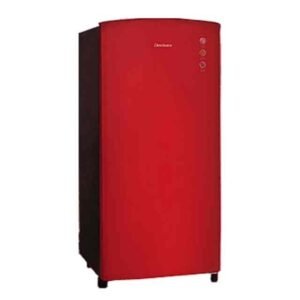 Bedroom Size Refrigerator, Dawlance Refrigerator, Refrigerator
Dawlance 9106 Bedroom Series Refrigerator
0 out of 5(0)- Capacity: 140 L / 5 cu. ft.
- NoFrost: No (Direct Cool)
- Dimension: 525 x 1160 x 500 mm
- Colors: Red
SKU: n/a -
Bedroom Size Refrigerator, Pel Bedroom Size Refrigerator, Refrigerator
Pel Bedroom Size Refrigerator 1100-SDPRLP-Life
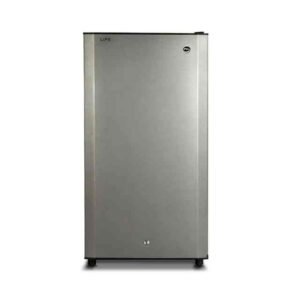 Bedroom Size Refrigerator, Pel Bedroom Size Refrigerator, Refrigerator
Pel Bedroom Size Refrigerator 1100-SDPRLP-Life
0 out of 5(0)- Brand: PEL
- Model: 1100-SDPRLP-LIFE
- Type: SINGLE DOOR
- Capacity / Size: 3 CFT
- Features: Total 110 Liters
- Capacity: 110L
- Current Consumption: 0.75Amp
- Low Voltage: Start function
- Condenser: Copper
- Temperature Control: Mechanica
SKU: n/a
Showing all 2 results
Bedroom Size Refrigerator — Compact Cooling for Pakistani Bedrooms & Small Spaces
What “bedroom size” really means
“Bedroom size” refrigerators are compact fridges typically in the ~50–120 L range, built to fit small rooms and tight corners without the bulk of a full-size appliance. They’re ideal for late-night water, snacks, and essentials you don’t want to keep in a shared kitchen. You’ll also hear them called a mini fridge for bedroom, table top refrigerator, personal fridge, or a compact refrigerator for bedroom—all pointing to the same user need: quiet, convenient cooling in a small footprint.
Why buy from a local specialist
At Super Electrocity (Shop #L-63, Hashoo Centre, Abdullah Haroon Road, Saddar Karachi • +92 322 2113969), we help you choose capacity by use-case, match models to Pakistan’s grid conditions, and set up placement for quieter nights. If you prefer in-store guidance, bring your room dimensions and we’ll shortlist options that actually fit.
Synonyms people search for
Customers also search: small fridge for room, single door mini fridge, mini refrigerator online Pakistan, small refrigerator for hostel room, and mini fridge for dorm room. We keep the focus on what helps you decide, not on repeating keywords.
Who Should Buy a Bedroom-Size Fridge?
Bedrooms & guest rooms
If you wake thirsty at night or host guests, a 65–90 L mini keeps water bottles, milk, and meds within reach. Karachi apartments with smaller kitchens especially benefit, as the bedroom unit reduces kitchen trips.
Hostels, PGs & dorm rooms
In shared living, a compact fridge prevents mix-ups and saves time. For a single student, 65–90 L is practical; for roommates, consider 90–110 L to avoid crowding and constant re-stocking.
Home offices & studios
Working from home? A table-top refrigerator keeps beverages and light snacks nearby. If your office runs equipment, choose a model with good ventilation space around it to maintain cooling efficiency.
Quick Size Guide: What Fits in 65 L, 90 L, and 110 L?
65 L — Ultra-compact for solo users
Best for a single person’s essentials. Typical fit: 6–8 x 1.5 L water bottles, a small milk pack, a couple of yogurts, fruit, and a few cans. Some models include a tiny chiller box for ice trays—great for Karachi’s humid evenings.
90 L — The bedroom sweet spot
Balances space and footprint. Typical fit: 8–10 x 1.5 L bottles, milk + juice, leftovers in 2–3 small containers, eggs, and snacks. Adjustable shelves help if you prefer taller bottles or meal-prep containers.
110 L — Roomiest in the “bedroom” class
Ideal for guest suites or shared rooms. Typical fit: everything in 90 L plus a bit more fresh produce and beverages. If you entertain often, this size reduces late-night restocking.
Tip: Measure your placement area and door swing. Aim for a few centimeters of ventilation on sides/back and an easy path to a grounded wall socket.
Noise & Placement: Set Up Your Mini Fridge for Better Sleep
Reduce humming and rattles with a solid setup
Most bedroom-size fridges are quiet enough for sleep when installed correctly, but poor placement can amplify vibration. Start by levelling the unit with its front feet until the door closes smoothly without slamming. Place the fridge on a stable, flat surface; if your flooring is uneven, add a simple anti-vibration mat or a thin rubber pad. Inside, avoid cramming bottles and cans against the rear wall—leave a little space so the fan and coolant flow aren’t obstructed.
Check that no part of the cabinet touches the wall or bed frame, which can transfer a faint buzz. If you still hear periodic clicks or a soft gurgle, that’s typically normal compressor cycling and refrigerant movement. To minimize perceived sound at night, keep the unit away from head level and consider a corner placement with fabric nearby to diffuse noise. Small steps in setup usually make a bigger difference than switching brands.
Ventilation and safe clearance in tight rooms
Compact fridges reject heat from the rear and sides, so they need breathing room to cool efficiently and stay quieter. Aim for a few centimetres of clearance on the sides and back; in very tight niches, pull the unit forward slightly to improve airflow. Avoid direct sunlight or placing it beside heat sources like a space heater. Good ventilation reduces strain on the compressor, which can also smooth out noise spikes during peak summer months.
Mind the door swing and nearby furniture so the gasket seals cleanly after each opening. If the seal is pinched or dirty, you’ll hear more cycling as the fridge works harder to maintain temperature. Wipe the gasket with a damp cloth every couple of weeks to keep it supple and airtight. A tidy, well-ventilated spot is the simplest way to keep a mini fridge both quiet and efficient.
Cooling & Energy Basics: What to Expect in Pakistan’s Climate
Compressor vs. thermoelectric: which suits a bedroom?
Compressor mini fridges deliver stronger cooling and handle Karachi’s hotter days better than thermoelectric coolers. They’re the common choice for food storage, small freezer compartments, and consistent temperatures. Thermoelectric units can be whisper-quiet and lighter, but they struggle in high ambient heat and are best for beverages or skincare. If you want reliable chilling year-round, a compact compressor model is the safer pick.
Consider your priorities: absolute quiet vs. dependable cooling. For dorms and hostels where the room warms up during the day, compressor minis are more forgiving. If you only need mild cooling close to ambient temperatures, a small thermoelectric cooler can work as a desktop chiller. Match the technology to the job to avoid disappointment later.
Using the mini freezer/chiller box properly
That tiny freezer area is handy for ice trays and the odd dessert, but it isn’t meant for bulk freezing. Keep items spaced for airflow and avoid repeatedly opening the door for long periods; warm air invites frost build-up. If you notice frost thicker than a few millimetres, plan a quick defrost: unplug, prop the door open, and place towels to catch melt. Dry the interior before restarting to prevent instant re-freezing on the walls.
Don’t force-ice by setting temperatures unrealistically low; you’ll overwork the compressor and may hear more cycling noise. Instead, pre-chill drinks in batches and rotate items. For medicine or sensitive items, always follow the manufacturer’s storage advice and monitor temperature with a small fridge thermometer. Smart habits extend the life of the unit and keep performance steady.
Estimate electricity usage the simple way
Check the model’s approximate wattage or kWh/day figure, then use a simple estimate: kWh per day × 30 × your local tariff for a monthly bill. Bedroom minis often sip power compared to full-size fridges, but usage rises if the room is hot, the door is opened frequently, or ventilation is poor. Keeping the gasket clean and the shelves organized reduces run time. Small efficiency wins add up over a Karachi summer.
If you run the fridge mostly at night, avoid setting the thermostat to the coldest mark; a mid-cold setting is usually enough for beverages and snacks. Also, let hot food cool down slightly before loading—this prevents sudden temperature spikes. A little planning goes a long way toward cutting energy costs. Think airflow, door discipline, and sensible thermostat settings.
Pakistan-Specific Buying Factors
Voltage and grid fluctuations
Pakistan’s grid can experience low voltage and brief surges, which are tougher on compact compressors than steady power. Look for models noted for low-voltage tolerance or pair the fridge with a reliable surge protector. Keep wiring simple: plug directly into a grounded wall socket rather than multi-plug chains. This helps the compressor start cleanly and can reduce humming or short cycling.
Capacity/layout trade-offs you’ll actually feel
Don’t chase litres alone—layout matters. Adjustable shelves let you fit tall bottles or stack meal-prep containers without wasting space. Door racks with bottle retainers prevent clinks and rattles at night, and a covered chiller box keeps odours from spreading. For a small office room, consider units with a dedicated can dispenser if beverages are the main use.
Warranty, service, and what varies by model year
Check the warranty period on the compressor and the availability of local service centers for your chosen brand. Finishes, liners, lighting, and door handles can change year to year even when capacity stays the same. Pick practical surfaces you can wipe clean easily, especially in humid months. A good after-sales path matters more than a flashy color when you actually need support.
Brand Snapshots
Dawlance — Practical choices and local service footprint
Dawlance compact models are common across Pakistan, which makes after-sales service and parts relatively accessible. Shortlist by capacity first (65–110 L), then check interior layout: adjustable shelves, bottle racks, and a covered chiller box. Prioritize a tidy interior if you mainly store 1.5 L bottles and lunch containers. For bedrooms, inspect door seal quality and listen for vibration when the unit is placed and levelled correctly.
Haier — Cooling strength with tidy interiors
Haier’s mini units tend to emphasize straightforward cooling and easy-to-wipe liners. If you prefer a cleaner aesthetic for a guest room, look at door bins that hold tall bottles securely. As with any brand, judge the model by layout fit and noise after placement, not just by capacity. A few millimetres of extra clearance at the back can make a noticeable difference in compressor comfort during Karachi summers.
PEL & others — Match features to your actual use
PEL and other brands offer competitive minis; the key is matching the feature mix to your space. For hostels and dorms, door bins with strong retainers reduce rattles; for skincare or meds, consider units with stable mid-cold performance and an easy-to-clean gasket. If you frequently rearrange storage, adjustable shelves and a simple chiller flap save time. Choose the model that fits your habits—not the flashiest finish.
Bedroom Mini-Freezer Know-How
What it can (and can’t) do
The tiny chiller/freezer box in most bedroom-size fridges is ideal for ice trays and the odd dessert cup. It is not meant for bulk meat or long-term freezing. Keep items spaced so cold air can circulate, and avoid wedging packets against the walls. For quick results, pre-chill drinks in the main compartment and rotate them instead of relying on the chiller to do heavy lifting.
Frost management without the mess
When frost builds thicker than a few millimetres, plan a quick defrost: unplug, prop the door open, and place towels to catch melt. Don’t chip ice with hard tools—liners can puncture. After defrosting, dry the interior completely and restart on a mid-cold setting. A clean gasket and organized shelves reduce door-open time and keep frost slow to return.
Safety & Care
Electrical safety in tight spaces
Plug directly into a grounded wall socket; avoid daisy-chained extensions and overfilled multi-plugs. Level the fridge so the door seals naturally—an unlevel unit can strain the latch and increase cycling noise. If your area experiences surges, a quality surge protector helps protect the compressor. Keep cables routed where they won’t be stepped on or trapped under furniture.
Cleaning & hygiene routine
Every two weeks, wipe shelves, bins, and the gasket with a mild detergent. Spills left overnight can cause odours and sticky drawer runners. Rinse and dry before restocking to prevent frost forming on damp surfaces. Assign zones: one shelf for drinks, one for snacks, one bin for dairy. Clear zones reduce door-open time and help the compressor work less.
Odour control & storage habits
Use lidded containers for leftovers; open trays allow odours to spread and can invite frost. Keep raw and ready-to-eat items separate even in a mini—dedicate a corner for raw items if you store them at all. A small open box of baking soda (placed away from the fan path) can help neutralize light odours. Replace it monthly or after defrost.
Quick Compare: 65 L vs 90 L vs 110 L
Use this scan-friendly guide to pick the right bedroom-size refrigerator for your space and habits.
| Capacity | Best For | Pros | Watch-outs |
|---|---|---|---|
| 65 L | Solo users, skincare, beverages | Tiny footprint; easy to place; quick to cool small loads | Limited height for tall bottles; chiller box is very small |
| 90 L | Bedrooms & hostels (most users) | Balanced space vs size; flexible shelves for tiffins + bottles | Needs sensible loading to avoid rattles; measure door swing |
| 110 L | Guest suites, shared rooms, small studios | Roomiest interior in “bedroom” class; fewer restocking trips | Takes more floor space; ensure ventilation and a stable base |
Still unsure? List what you store most (e.g., 1.5 L bottles, meal boxes, desserts) and choose the first size that fits the majority of those items without cramming. Layout beats raw litres if your items are tall or oddly shaped.
Delivery Day Checklist
Before arrival
Measure the path (doors, elevator, tight corners) and clear a stable, ventilated spot away from direct sunlight. Confirm access to a grounded wall socket without multi-plug chains. Prepare a small rubber mat if the floor is uneven to reduce vibration.
On arrival and placement
Keep the fridge upright during transport and unboxing. Level the front feet so the door closes naturally without slamming. Leave a few centimetres’ clearance at the sides and back for airflow; confirm the door swings freely without hitting furniture.
First 24 hours
Let the fridge stand upright for 2–4 hours before switching on (helps oil settle in the compressor). Start on a mid-cold setting and allow the interior to stabilize before loading. Add items gradually; avoid packing the chiller box tightly on day one.
Easy troubleshooting
If you hear unusual vibration, recheck levelling and ensure no panel touches the wall. If cooling feels slow, verify ventilation and door seal, then give it a few hours; new units take time to reach steady temperatures. For any concerns, call us and we’ll guide you.
FAQ
What size is best for a bedroom?
For most users, 90 L balances storage and footprint; 65 L suits solo users and skincare; 110 L fits shared rooms or guest suites. Choose based on what you store most and your available space.
Do mini fridges have inverter compressors?
Some do, but it varies by model. Focus first on capacity, interior layout, and noise after proper placement. When comparing, check the spec sheet for compressor type and any low-voltage features.
How can I keep it quiet at night?
Level the feet, avoid wall contact, keep shelves organized for airflow, and place the unit away from head level. A small anti-vibration pad and clean gasket also help reduce cycling noise.
What affects the price in Pakistan?
Capacity, brand, interior features (adjustable shelves, bottle racks), finish, and warranty length. Prices also reflect year-to-year updates like liners and lighting. Pick based on fit and reliability, not just colour.
Is a mini fridge okay for office rooms?
Yes—choose 65–90 L if space is tight and you mainly store beverages. For shared office rooms, 90–110 L offers more flexibility. Keep ventilation clear, especially near equipment that gives off heat.