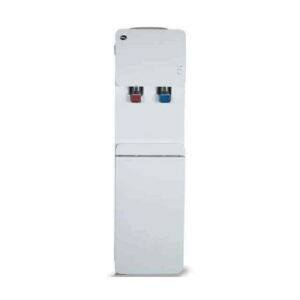
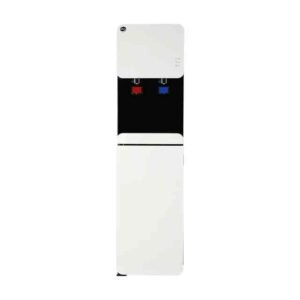
Water Dispensers in Pakistan
Find the right water dispenser for your home or office at Super Electrocity, Saddar Karachi. Whether you need a basic top-load model or a convenient bottom-load design, we stock popular options from leading brands commonly found in Pakistan. Prices fluctuate with imports, energy costs, and features, so always check the live price on the product card or call us at +92 322 2113969 for today’s availability.
Below, use our quick guides to shop by type, compare features like hot/cold output and child safety locks, and understand when 2-tap vs 3-tap water dispenser (hot/cold/normal) makes sense. You’ll also find tips tailored to local use—small kitchens, hostel rooms, and load-shedding realities in Pakistan.
Shop by Type
Top Load Water Dispenser
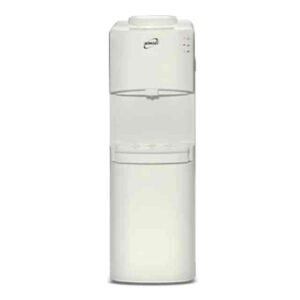
Top load dispensers are the classic, budget-friendly choice. The upside is simplicity—no internal pump and easy visual confirmation of water level in the 19L bottle. They’re widely available, quick to set up, and a great fit if you’re watching costs or outfitting a small apartment kitchen or hostel room.
The trade-off is lifting. Replacing a full bottle means hoisting weight to the top, which isn’t ideal for seniors or anyone with back issues. If lifting is a concern, consider a bottom-load unit instead. Otherwise, a top-load model is a dependable, economical pani dispenser for everyday use.
Bottom Load Water Dispenser
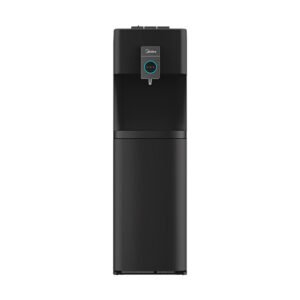
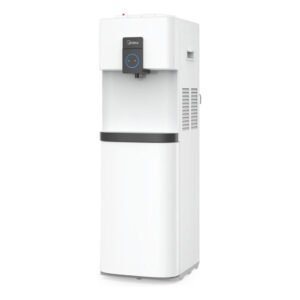
Bottom load designs hide the bottle in a lower cabinet and use a pump to draw water up. The big benefit is comfort—no more heavy lifting—and a cleaner, tidier look in reception areas and living rooms. Many buyers prefer bottom-load for offices and homes where the dispenser is visible to guests.
You’ll usually pay a bit more versus top-load, and the pump adds a moving part. Still, for most families and small offices in Pakistan, the ease of swapping bottles is worth it. If you change bottles frequently or want a streamlined look, bottom-load is the practical upgrade.
Table Top Water Dispenser
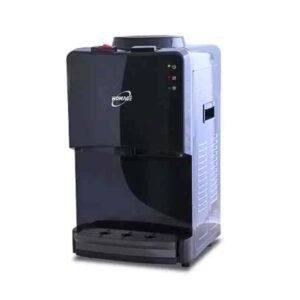
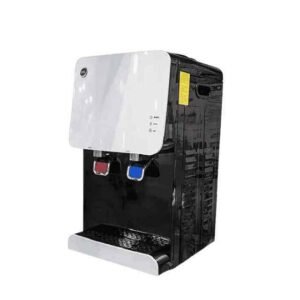
Short on floor space? A table top water dispenser keeps things compact—ideal for studio apartments, dorms, and small pantries. You get hot and cold water without dedicating floor area, and many models are light enough to relocate when needed.
Limitations include smaller internal tanks and the need for a sturdy, level surface to prevent vibration or spills. If you have a very small kitchen in Karachi or Islamabad, measure your countertop depth and outlet access before buying. Table-top is best when space saving outranks storage or capacity.
Bottleless Water Dispenser
A bottleless water dispenser connects directly to your water line, so you don’t manage bottles. It’s best for kitchens and offices that already use a filtration system (e.g., RO) and want a clean look. You’ll need a stable inlet, basic plumbing, and a pre-filter to protect the dispenser’s valves. If your tap water quality varies by area, confirm filtration before going bottleless to keep taste consistent and protect components.
Running costs are predictable because you’re not paying for bottles, but there is filter upkeep. During load-shedding, heating and strong chilling draw more power; some buyers choose to disable “hot” temporarily to reduce UPS load. Check the product’s wattage label or card before finalizing a UPS or inverter plan.
Water Dispenser with Refrigerator Cabinet / Glass Door
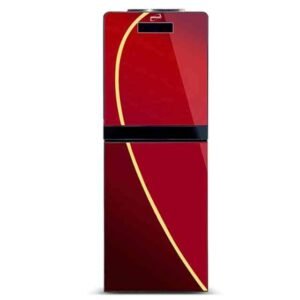
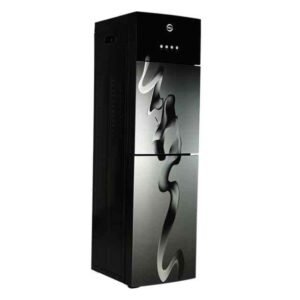
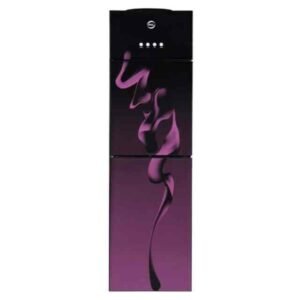
These models add a small refrigerator cabinet (sometimes with a glass door) for snacks, bottled water, or tea items—handy for reception counters and small offices. The cabinet saves you an extra mini-fridge and keeps essentials in one place. If presentation matters, a glass door offers a neat showcase while helping you track contents at a glance.
Cabinet models can consume slightly more energy than basic units. Place them on a level surface with a few centimeters of space at the back for ventilation. For Karachi apartments with compact kitchens, measure depth and door swing so the cabinet remains easy to access.
2-Tap vs 3-Tap
A hot and cold water dispenser (2-tap) covers most homes. A 3 tap water dispenser (hot/cold/normal) adds a room-temperature tap for formula, quick tea prep, or guests who prefer ambient water. The extra tap is popular in offices and homes with kids and elders who don’t always want chilled water.
Look for a child-safety lock on the hot tap, a removable drip tray, and clear labeling. In smaller kitchens, a 2-tap saves a bit of width, but if you frequently mix hot and normal water, a 3-tap layout is more convenient.
Shop by Use Case
Home & Apartment Use
Prioritize quiet operation, child-lock safety, and energy saving water dispenser modes. For top-load units, confirm bottle height clearance under cabinets. If space is tight, a table top water dispenser keeps countertops free—just ensure it sits on a level surface away from the stove’s heat.
Families often choose bottom-load for easy bottle changes and a tidy look. If you keep a 19L bottle on hand, check that your preferred model supports it; some also accept 12L bottles for easier handling.
Office & Commercial Spaces
For small to medium teams, a bottom load water dispenser or a bottleless water dispenser minimizes interruptions when swapping bottles. Prioritize higher cold-water output ratings, a durable drip tray, and easy-wipe surfaces for hygiene. If your front desk is customer-facing, a cabinet or glass-door variant doubles as compact storage.
Set a cleaning routine: wipe spouts daily, empty the drip tray, and schedule periodic tank sanitation. Keep spare cups on a shelf or cabinet to reduce clutter around the unit.
Load-Shedding Considerations
Heating elements draw the most power; if you rely on UPS or inverter, consider disabling “hot” during outages or choosing an “eco” mode. For chilling, verify wattage and standby consumption on the product card before sizing backup power. Users who mainly need ambient and cold water during outages sometimes opt for a top load water dispenser and use chilled bottles kept in the fridge as backup.
Brands You’ll Commonly See
Dawlance Water Dispensers
Dawlance models are popular across Pakistan for straightforward controls and practical features like hot/cold taps, removable drip trays, and options with a small refrigerator cabinet. If you’re outfitting a family kitchen or reception desk, Dawlance often balances everyday durability with tidy styling that blends into modern apartments and offices.
When shortlisting, compare cold-water output (how quickly it chills after multiple fills), the presence of a child-safety lock on the hot tap, and the service network in your city. Confirm warranty coverage on the specific product page or card at checkout to avoid assumptions.
PEL Water Dispensers
PEL lines typically focus on practical performance with competitive pricing and models that suit both homes and small workplaces. Many shoppers appreciate the clean front panels and easy-to-wipe surfaces, which help with hygiene in shared spaces.
Evaluate whether you need a 3-tap layout (hot/cold/normal) and whether a cabinet is worth the extra space. If you’re placing the unit near a waiting area, look for stable footing and a solid, wobble-free build.
Other Notables
Several other brands offer comparable features—top load, bottom load, and table-top variants—so shortlisting by type and use case first will save time. For offices that change bottles frequently, reliable pumps on bottom-load models can be a bigger differentiator than cosmetics.
Check availability in Karachi before you decide, as stock can vary by season. If a specific color or finish is important, verify the actual unit in-store or via product photos to ensure it matches your space.
Price & Budget Guide in Pakistan
What Drives Price
Prices vary with features and build: bottom-load convenience, higher cold/hot output, a refrigerator cabinet or glass door, and overall materials can move a model from entry to mid or premium tiers. Brand reputation and after-sales coverage also influence final pricing.
Market conditions (import costs, energy prices) can shift PKR pricing, so treat any reference ranges online as indicative only. Always confirm today’s tag on the product page or call for a live quote before you plan a purchase.
Indicative Tiers
Entry: Basic top-load units with two taps (hot/cold), straightforward controls, and simple finishes—good for small kitchens or dorms where lifting bottles is manageable.
Mid: Bottom-load convenience, 3-tap options, sturdier panels, and better chilling performance—popular for families and front desks where design and ease matter.
Premium: Added conveniences such as a refrigerator cabinet or glass door, refined fit-and-finish, and higher output—aimed at busier offices or homes prioritizing aesthetics.
Value Tips
Choose bottom-load if you change bottles often or want a clean look; choose top-load if you’re budget-first and comfortable lifting. A 3-tap layout pays off if you regularly mix hot and room-temperature water for tea or baby formula.
If you rarely use hot water, pick models with an on/off hot switch to save energy. For compact Karachi kitchens, measure height clearance for top-load bottles or consider a table-top unit to free floor space.
Key Specs to Compare
Capacity & Output
Look for the cold-water output (L/hr) and how quickly the unit recovers after back-to-back fills—important in offices and larger families. Tank material and insulation quality affect taste and chilling consistency over time.
Confirm bottle compatibility (commonly 19L; some accept 12L) and the ease of priming the system after a bottle change. If you use RO water, ensure connectors or adapters suit your setup.
Energy & Noise
Standby consumption and compressor quality influence your monthly bill. Eco modes and separate hot switches let you control draw during load-shedding or when the dispenser sits idle overnight.
If placing the unit near bedrooms or meeting rooms, test for hum and vibration. A level floor and proper rear ventilation reduce noise and improve cooling efficiency.
Safety & Build
Prioritize a reliable child-safety lock on the hot tap, an easy-to-remove drip tray, and stable footing. For front-of-house placement, rounded edges and steady doors make daily use safer and neater.
Inspect fit-and-finish, door hinges (if cabinet is included), and the bottle door on bottom-load units. Solid construction reduces wobble and wear from frequent bottle changes.
Comparisons
Bottom Load vs Top Load
Choose bottom-load if you want easy bottle changes, a tidy look, and less lifting—great for offices and family homes. The pump adds convenience but can raise cost slightly. Choose top-load if you’re budget-first and fine with lifting; it’s simple, proven, and widely available across Pakistan.
For reception areas where presentation matters, bottom-load usually looks neater. For hostels and small kitchens, top-load wins on price and straightforward setup.
2-Tap vs 3-Tap
Go 2-tap (hot/cold) when space is tight and you mostly need chilled and hot water. Pick 3-tap (hot/cold/normal) if you mix room-temperature water often—popular for tea, baby formula, and guests who avoid very cold water.
Whichever you choose, look for clear labels and a reliable child lock on the hot tap to prevent accidental dispensing.
Bottleless vs Bottled
Bottleless looks clean and eliminates bottle deliveries, but needs plumbing and filter maintenance. It’s ideal when you already use RO. Bottled is easier to place anywhere and doesn’t depend on inlet quality; just plan storage for spare 19L or 12L bottles.
Total cost depends on water quality and usage: bottleless saves on bottles but adds filter upkeep; bottled adds delivery/handling but keeps setup simple.
Care, Hygiene & Maintenance
Routine Cleaning
Wipe taps and front panels daily, empty the drip tray, and sanitize internal tanks as per the user manual. Use food-safe cleaning agents and rinse thoroughly to avoid taste issues. Keep the back ventilated so the compressor runs efficiently.
Every few months, descale the hot-water path if you have hard water. If taste changes or flow slows, check filters (for bottleless) and confirm bottle seals are intact.
Bottle Handling
Store bottles upright, away from direct sun. When changing bottles, clean the spike area and discard the first cup to flush the line. On bottom-load units, ensure the pickup tube is seated properly to prevent air locks and noise.
Delivery, Warranty & Support
Order, Delivery & Payment
Visit us at Shop #L-63, Hashoo Centre, Abdullah Haroon Road, Saddar, Karachi or call +92 322 2113969 for current pricing and availability. Payment and delivery options may vary by model and location—ask our team for the latest details before checkout.
Warranty & After-Sales
Warranty terms follow the brand’s official policy; please keep your purchase invoice and warranty card. For support, contact Super Electrocity first and we’ll guide you on service center procedures in Karachi.
FAQ


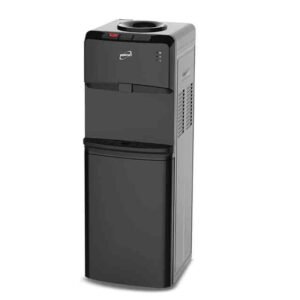 Homage Water Dispensers, Water Dispensers